Quito’s “Ruta de las Iglesias” (Route of the Churches)
Updated: November 2025 – Estimated reading time: 6 minutes – Written by Francesca
The Sacred Heart of Quito: A Local’s Guide to the Main Churches & Monasteries of the Historic Center
“If there’s one thing that defines my hometown Quito, it’s how faith and history intertwine on every cobblestoned street. I’ve walked these plazas since childhood, and every bell tower, cloister, and golden altar holds a story worth telling.” That’s what Michael told me when I asked him to describe his city before going and discovering myself. Quito’s Historic Center, a UNESCO World Heritage Site, is a treasure map of spirituality and architecture perfect for travelers seeking art, history, or just a quiet moment away from the city buzz. Let me guide you through the churches and monasteries that reveal the soul of Ecuador’s capital.
1. Basílica del Voto Nacional
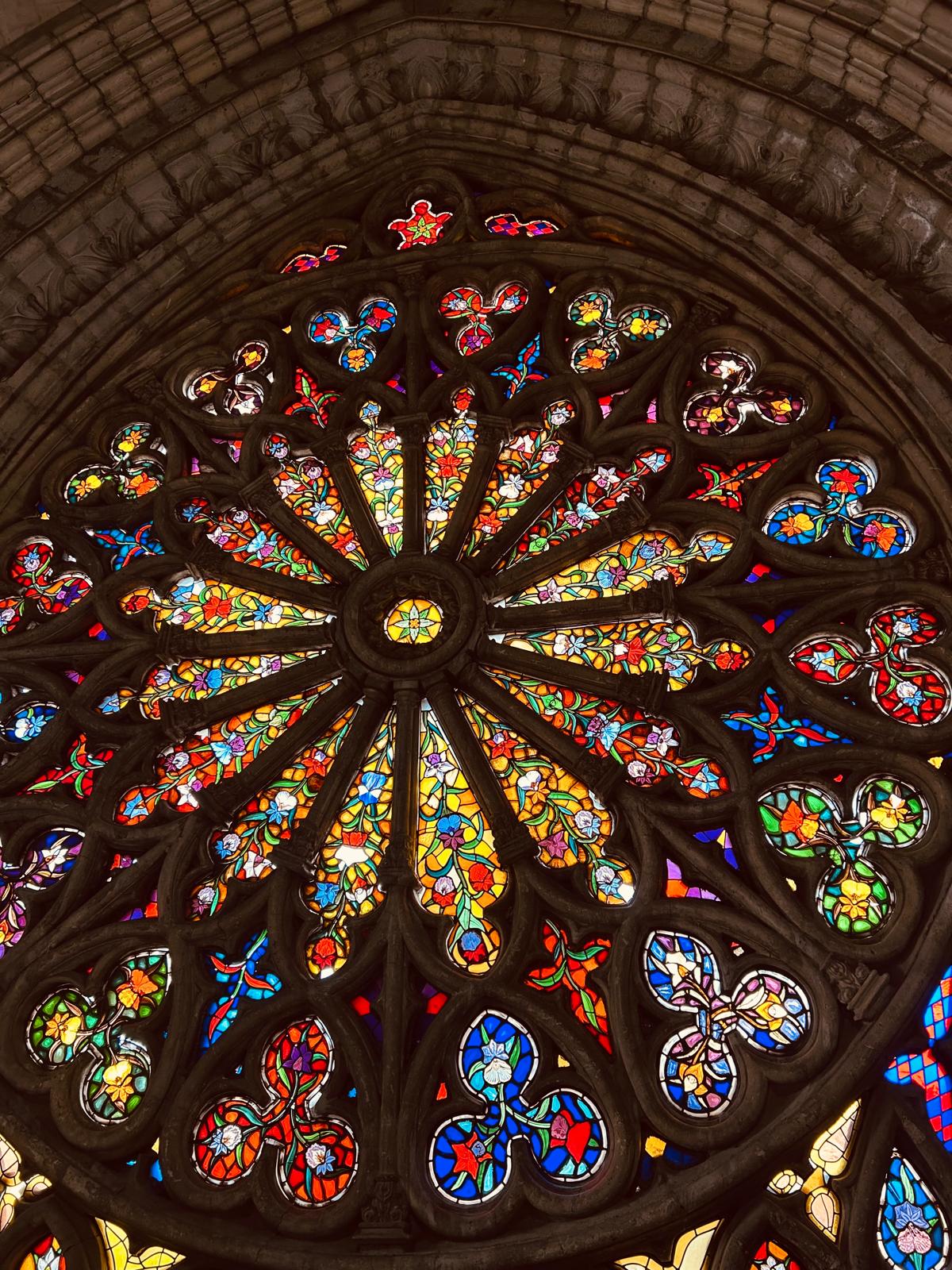
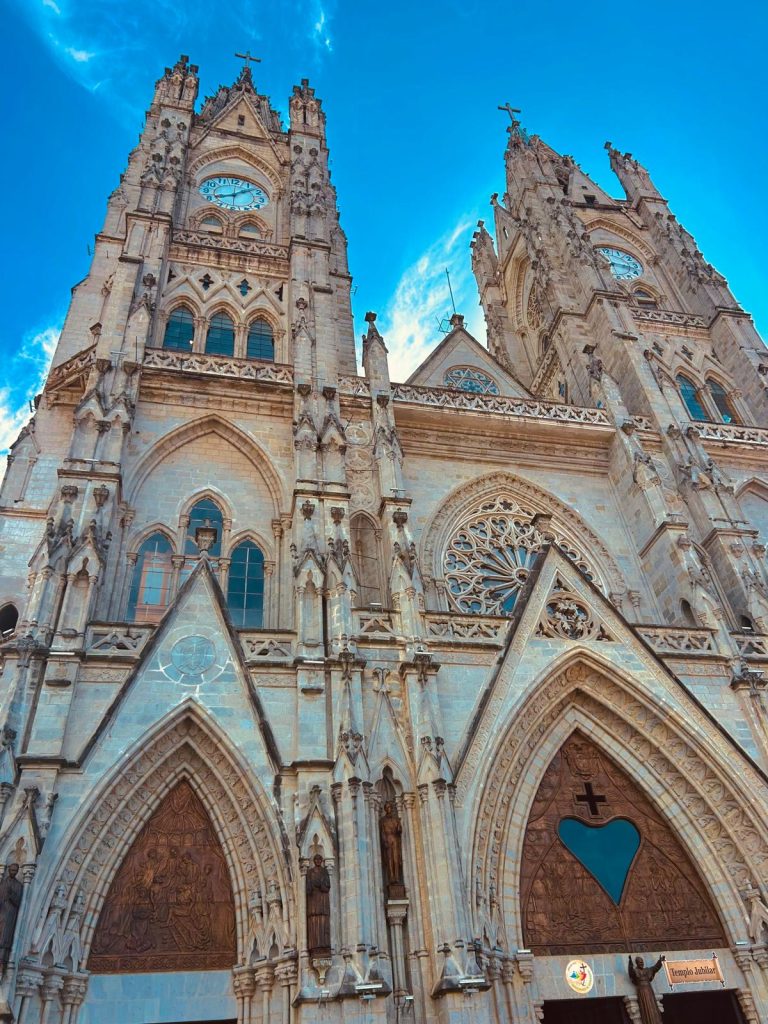
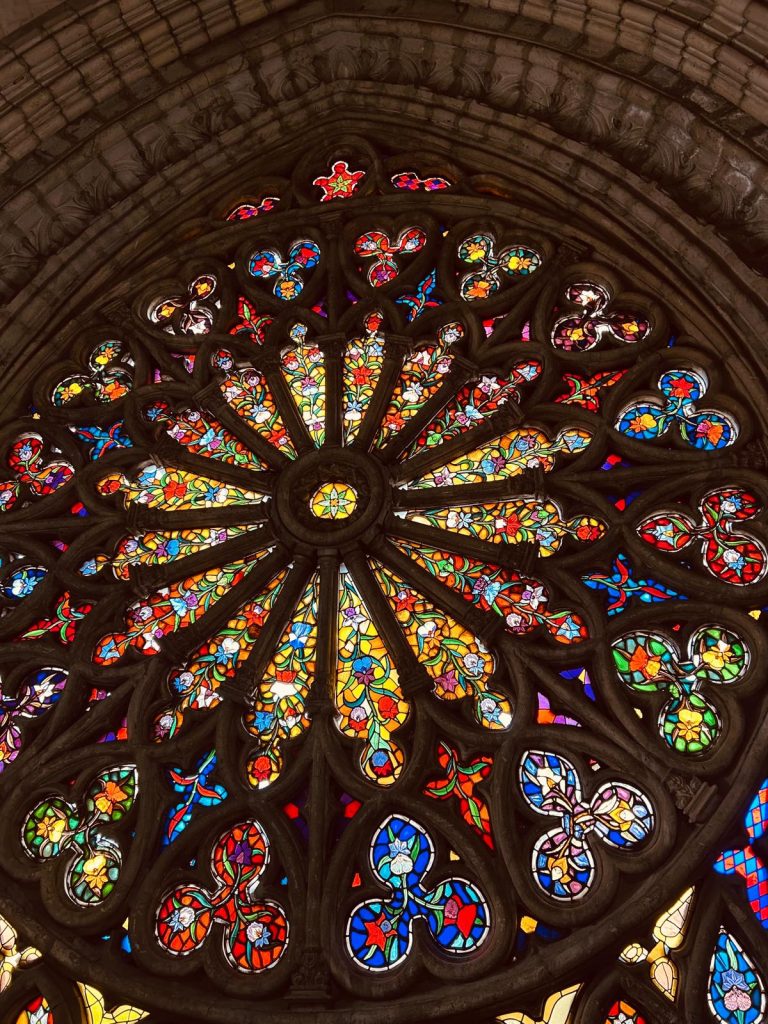
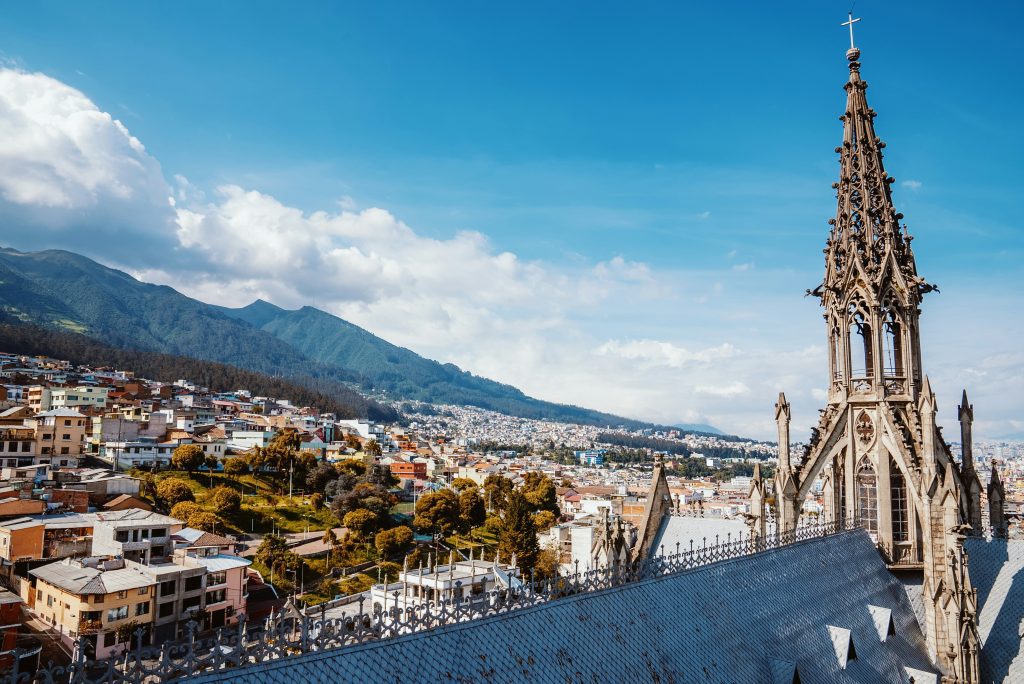
Let’s start with the most majestic of all. The Basílica del Voto Nacional dominates Quito’s skyline with its neo-Gothic towers inspired by Paris’ Notre Dame, but instead of gargoyles, look closely and you’ll spot stone iguanas, armadillos, and condors! The Basílica is Quito’s modern Gothic dream, a national monument born from 19th-century patriotism. It was conceived after the country’s 1883 consecration to the Sacred Heart; construction began in 1892 under French architect Emilio Tarlier and continued into the 20th century. The building intentionally echoes European cathedrals (Notre-Dame is an explicit model), but Quito made it its own: instead of medieval gargoyles, local fauna, iguanas, armadillos, condors , decorate the exterior, a playful assertion of Ecuadorian identity. Locals also love the legend that says: if the basilica is ever completed, the world will end , a myth that kept some decorative work “unfinished” for a long time and adds to the aura. Don’t miss climbing the towers for one of the best panoramic views of Quito. Climbing the towers isn’t for the faint of heart, but the panoramic view of the city’s colonial rooftops is unforgettable. Early morning is the perfect time — when the light hits the Andes and the city seems to glow.
2. Monasterio San Juan
Hidden just north of the historic core, San Juan Monastery is one of those places even many locals overlook. It’s a place for reflection, away from the grandeur of the main plazas. The monastery complex has roots in the 18th century and was connected to the Augustinian order, later housing the Augustinian nuns of the Encarnación. Its simple cloisters and restrained Baroque elements reflect a contemplative monastic life that survived earthquakes and political change. Visiting here is a lesson in the quieter side of Quito’s religious history. Just remember to respect the silence, as this is still an active cloister for many visitors.
3. Iglesia de San Blas
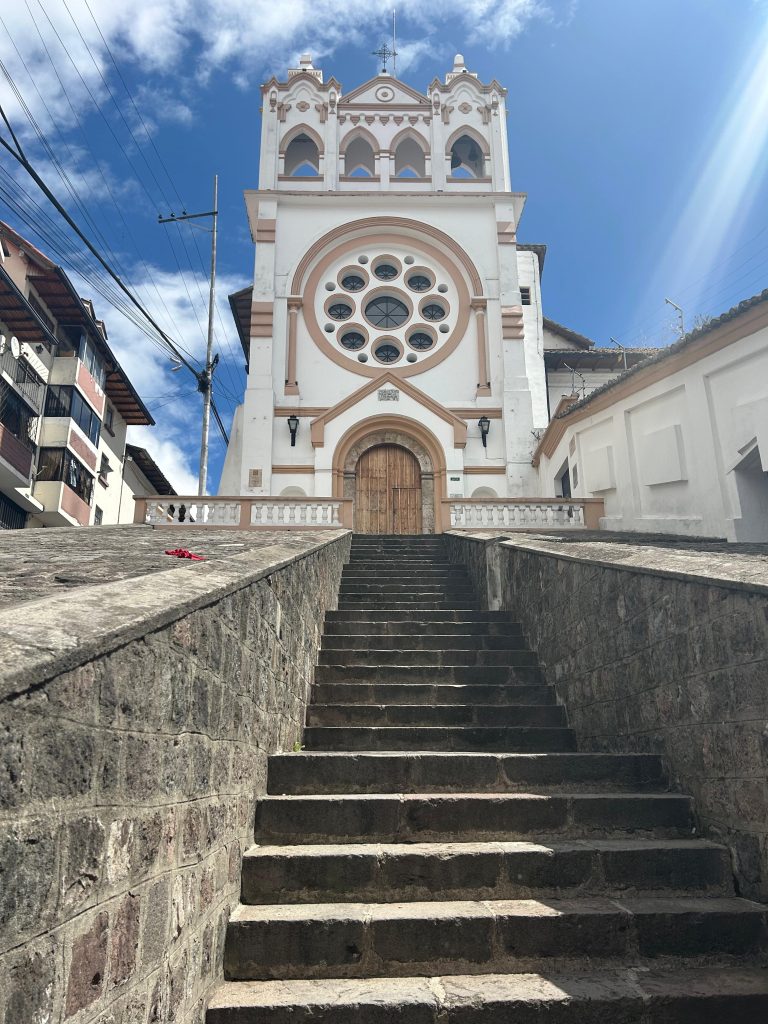
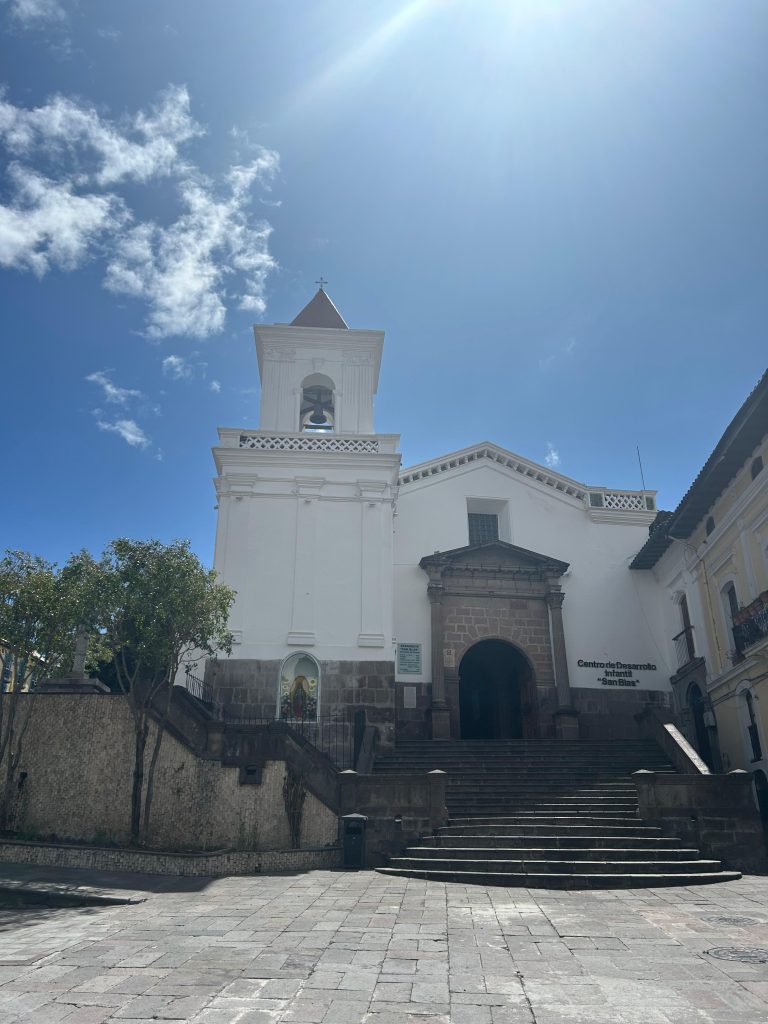
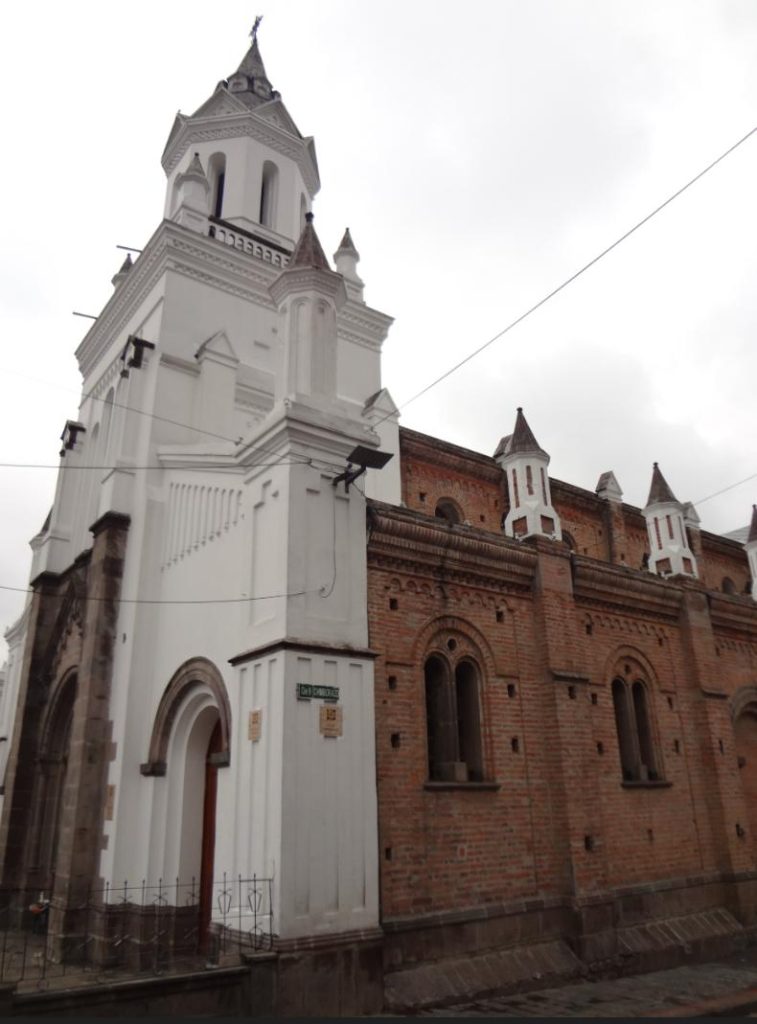
As you enter the Historic Center from the north, San Blas Church welcomes you like an old guardian. Founded in the late 16th century, San Blas sits on a promontory overlooking the Alameda and served early on as a parish for indigenous communities arriving at the edge of colonial Quito. Architecturally modest from the outside, its interior preserves carved wood altarpieces and one of Quito’s oldest bells. Historically, San Blas became an important commercial and social node as travel routes and markets developed to the north of the city. Inside, you’ll find beautiful wooden altarpieces and one of Quito’s oldest bells still ringing across the valley.
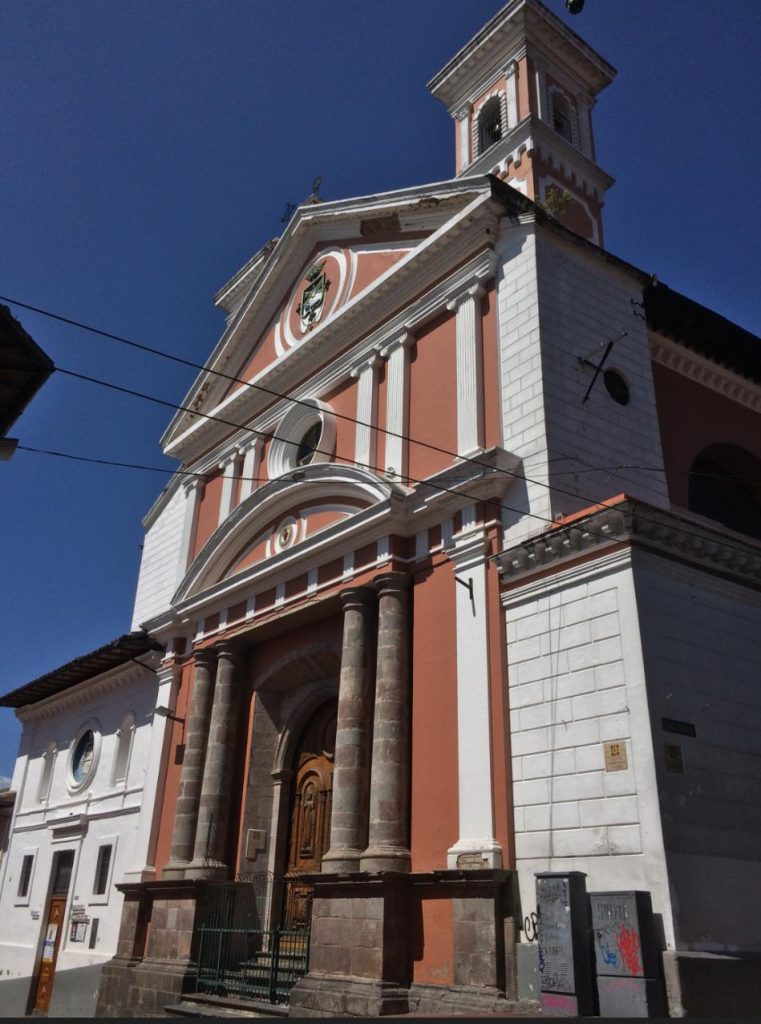
4. Iglesia Santa Bárbara
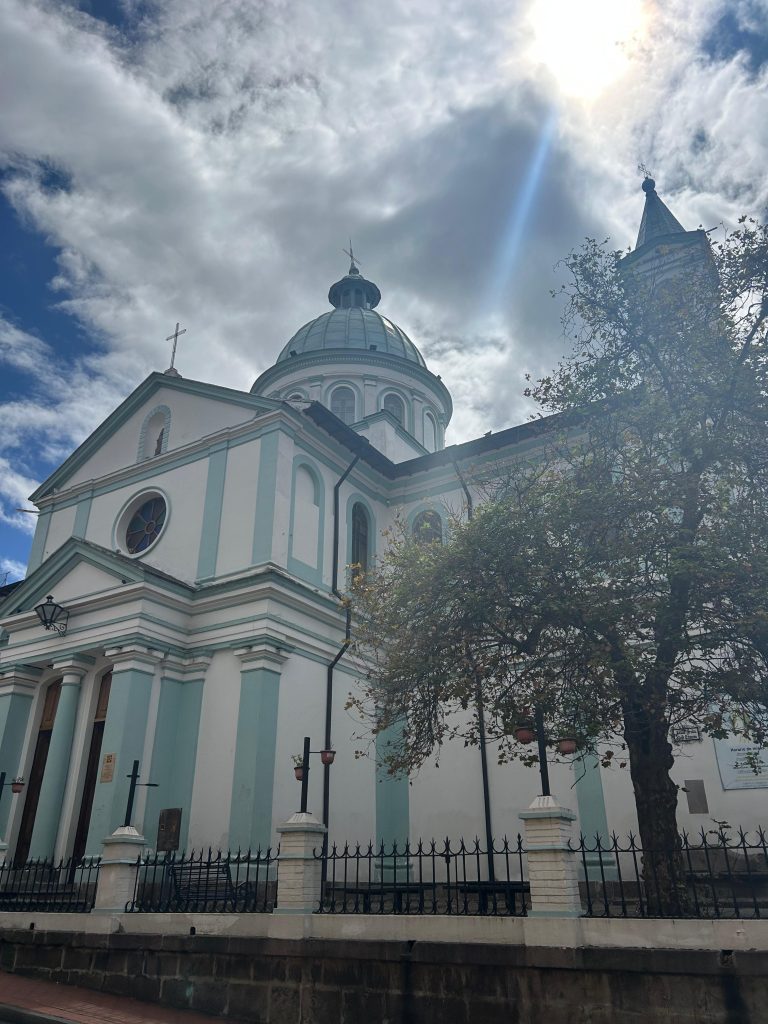
Perched on the slopes leading into downtown, this small church honors Saint Barbara, the protector against lightning. It was one of the first built outside the old city walls, marking Quito’s early expansion. Santa Bárbara occupies a strategic slope and was part of the old “Calle de las Siete Cruces,” a sequence of sacred sites along a pre-Hispanic route. Built originally in the 1500s and rebuilt several times after earthquakes, its present neoclassical look hides deeper colonial layers. Locals have long used its elevated steps as a viewpoint. “ I myself stop here at sunset many times”. According to Michael, no view captures Quito’s soul quite like this one at sunset
5. Monasterio Carmen Bajo
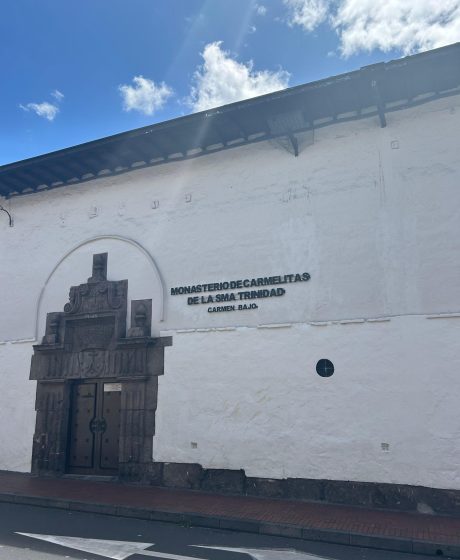
A living piece of history. Carmen Bajo is one of Quito’s living Carmelite houses with origins tied to 17th- and 18th-century monastic life. Founded by sisters who re-established a community after a Latacunga earthquake. The sisters make sweets and herbal remedies, sold discreetly through a revolving wooden turntable , no direct contact, just a mysterious hand passing you a box of divine treats. It’s one of those “only in Quito” experiences. Tip: If sweets are offered at the monastery portal, buy one , it directly supports the nuns and is a real local treat.
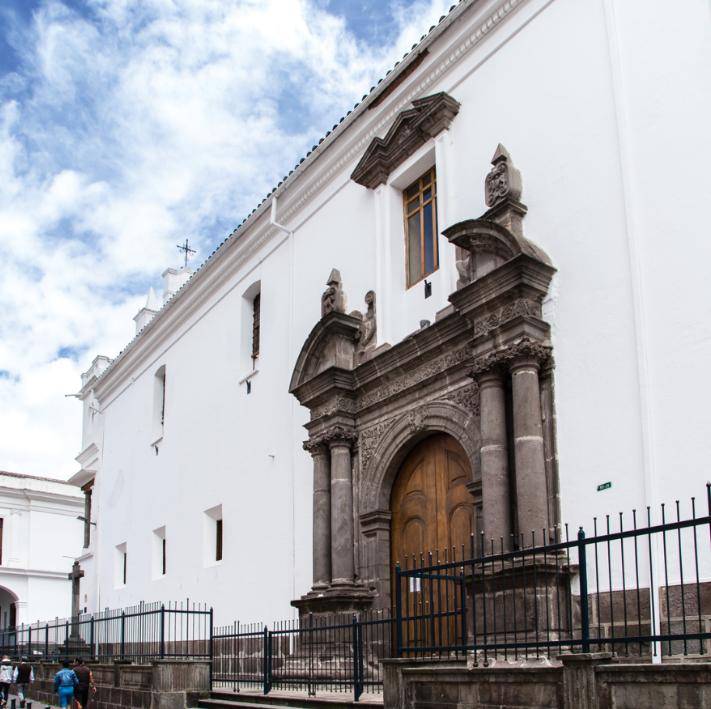
6. Iglesia de La Merced
This church is a masterpiece of artistic fusion — Moorish and Baroque influences blend seamlessly in La Merced, home to the Virgin of La Merced, patron saint of Quito. Built in the early 18th century and consecrated mid-century, its main altarpiece was carved by Bernardo de Legarda, a master of the Quito School of Art. The convent’s historic library is remarkable: thousands of volumes, rare manuscripts and an old wooden spiral staircase that bibliophiles adore. Visit tip: Ask if the library or sacristy can be seen — guided visits sometimes grant access to these treasures.
7. Iglesia y Monasterio de la Concepción
This convent is a time capsule of colonial Quito. Founded in 1577. It became a spiritual center and repository of devotion tied to local religious movements; The nuns of La Concepción have lived here since the 16th century, surrounded by religious art and sacred sculptures. The small museum inside gives visitors a glimpse of daily life behind convent walls — a mix of art, silence, and prayer that has endured for over 400 years.
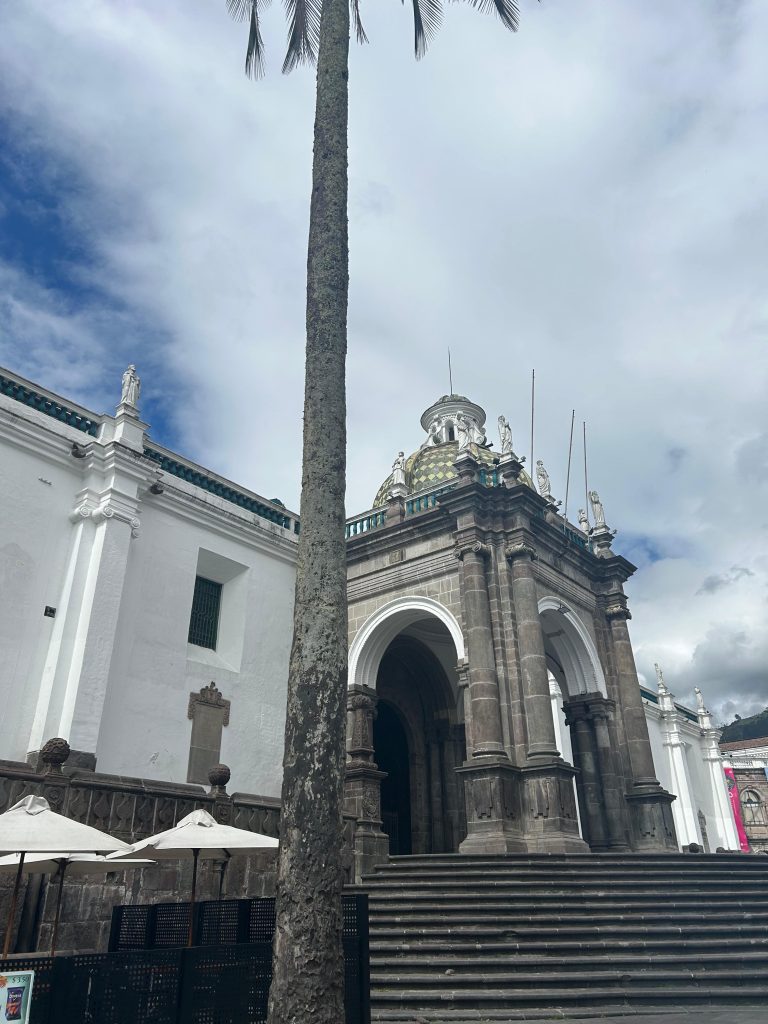
8. Catedral Metropolitana de Quito
No visit is complete without standing in Plaza Grande, at the heart of the city, facing the Metropolitan Cathedral. It’s one of Ecuador’s oldest churches, with a fascinating mix of Gothic and Mudéjar details. Historically, it was the seat of bishops who shaped political as well as spiritual life. Inside rests Antonio José de Sucre, a hero of Latin American independence. Visit during mass and you’ll feel the centuries of faith that have shaped Quito’s identity.
9. Monasterio Santa Catalina
Just a short walk from Plaza Grande, the Santa Catalina Monastery feels like another world. Founded in the late 16th/early 17th century over an earlier sacred site, it was a cloistered convent whose architecture and courtyard gardens reflect centuries of monastic life. Today parts are interpreted as a museum showing convent life and colonial architecture. The scent of flowers and baked pastries fills the air — yes, the nuns here are famous for their homemade sweets. It’s a serene escape from the busy streets outside, and the perfect place to buy a small edible souvenir made with devotion.
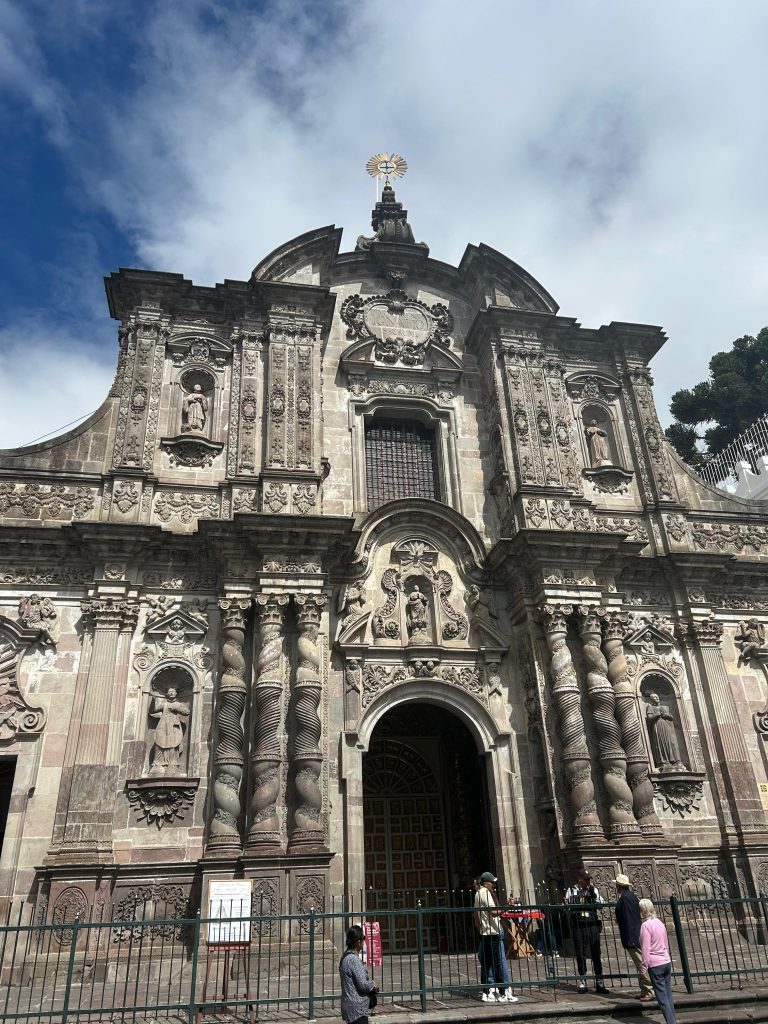
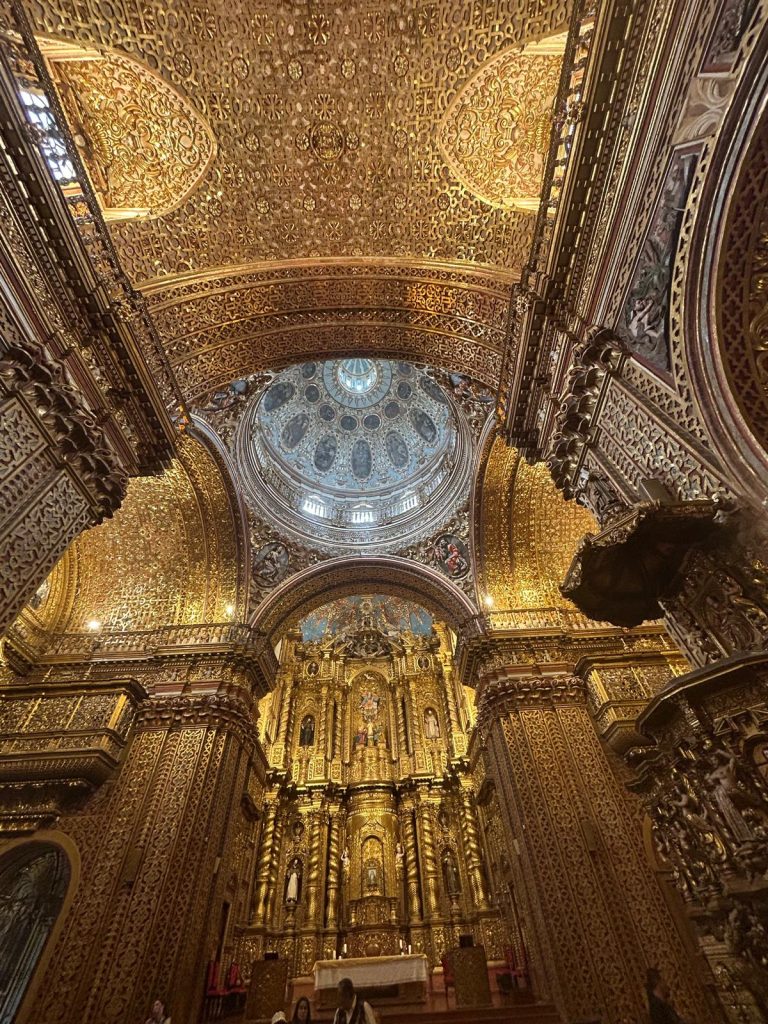
10. Iglesia de la Compañía de Jesús
The Church of the Society of Jesus — or simply “La Compañía” is Quito’s Baroque masterpiece — often called the “Temple of Solomon of South America.” The Jesuits arrived in the late 16th century and, over generations, produced an interior where every inch its gleams with gold leaf, making it one of the most magnificent Baroque churches in Latin America. Master carvers like Bernardo de Legarda contributed to its sculptural program; the church holds relics and the remains of local saints (notably Santa Mariana de Jesús). The Jesuit presence shaped Quito’s education, art and civic life until the order’s expulsion in 1767; their artistic legacy, however, stayed.
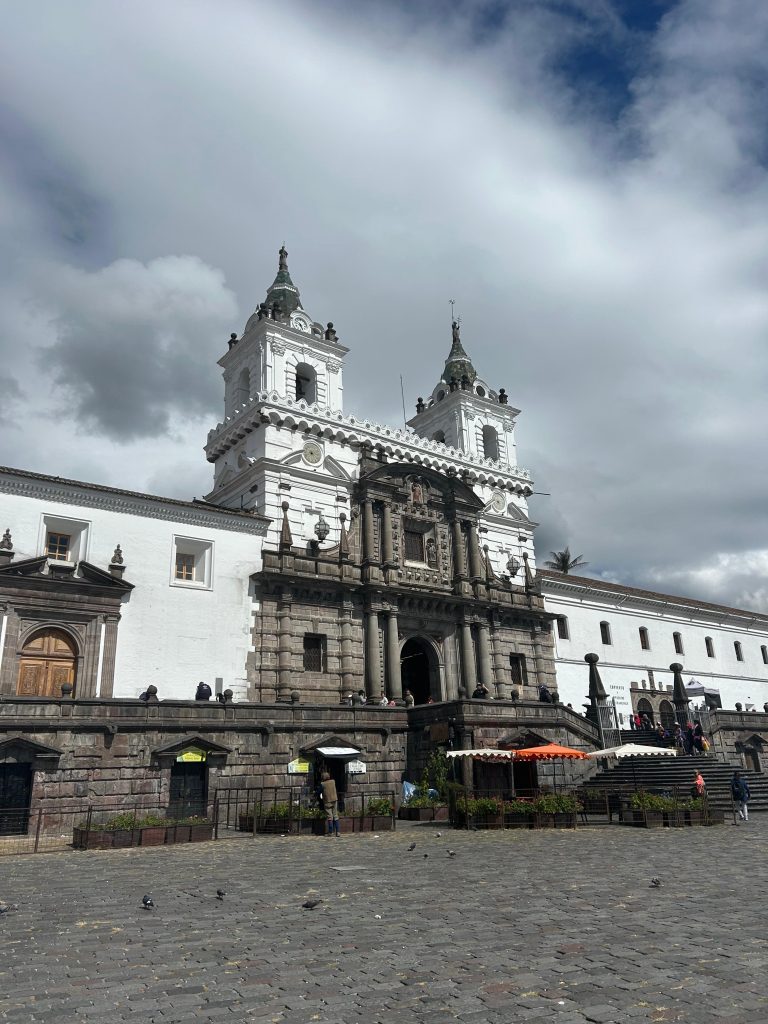
11. Iglesia y Convento de San Francisco
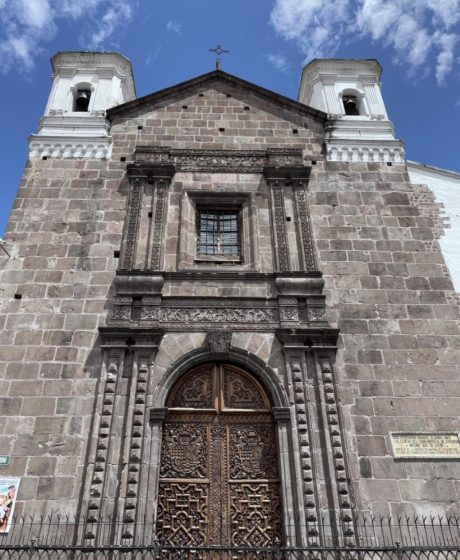
This is the heart of colonial Quito — a monumental complex that tells the story of the city itself. Built over the ruins of an Inca temple dedicated to the sun god, Inti, San Francisco stands as a symbol of the blend between indigenous and Spanish worlds. Its construction began just days after the Spanish founded Quito in 1534, making it one of the oldest and largest religious complexes in South America, with over a dozen cloisters, an impressive museum, and two iconic bell towers overlooking the bustling plaza below. Among its treasures is the Virgin of Quito — an extraordinary sculpture by Bernardo de Legarda, depicting the Virgin Mary in motion, with wings like an angel ready to ascend.
Outside, the vast Plaza de San Francisco hums with life But behind its beauty lies a famous Quito legend — the myth of Cantuña. According to the story, an indigenous mason named Cantuña was hired to build the church’s atrium but realized he couldn’t finish it on time. Desperate, he made a pact with the devil: the devil and his demons would complete the work in a single night in exchange for Cantuña’s soul. As dawn approached and the church stood nearly finished, Cantuña tricked the devil by hiding one stone, meaning the work was incomplete — and his soul was spared.
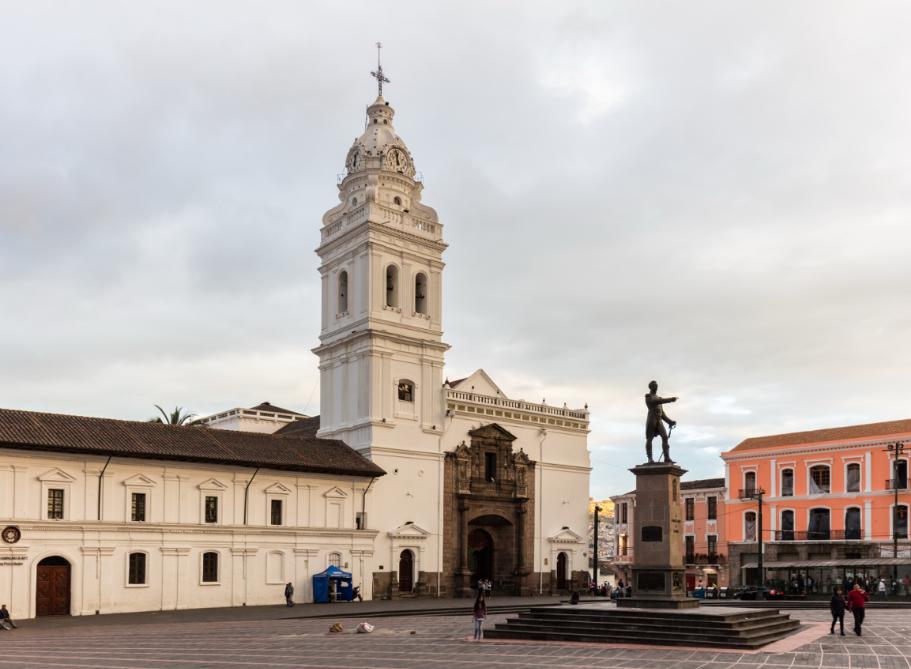
12. Iglesia y Convento de Santo Domingo
At the southern edge of the Historic Center lies Santo Domingo, known for its elegant cloisters and the revered Virgin of the Rosary. The church and convent contain elegant cloisters, chapels and the venerated Virgin of the Rosary. At sunset the white façade glows, a perfect photo spot before heading for dinner nearby.
13. Iglesia San Roque
A bit further south, San Roque is less touristy but full of heart. This community church has long served working-class Quiteños, and its baroque altars tell the story of everyday faith. It’s less frequented by tourists but beloved by locals — particularly during Holy Week and neighborhood processions
Visit tip: If you’re in Quito during Holy Week, watch the neighborhood processions — they’re intimate and powerful.
14. Capilla del Robo
Small, humble, and full of local legend, the Chapel of the Theft (Capilla del Robo) was built in gratitude after a miraculous recovery of stolen goods. These local shrines show how faith and daily life meet — they’re not grand architecture, but they are deeply meaningful to neighbors. You won’t find gold here — just a simple altar and a powerful sense of popular devotion that reminds you what faith really means in Quito.
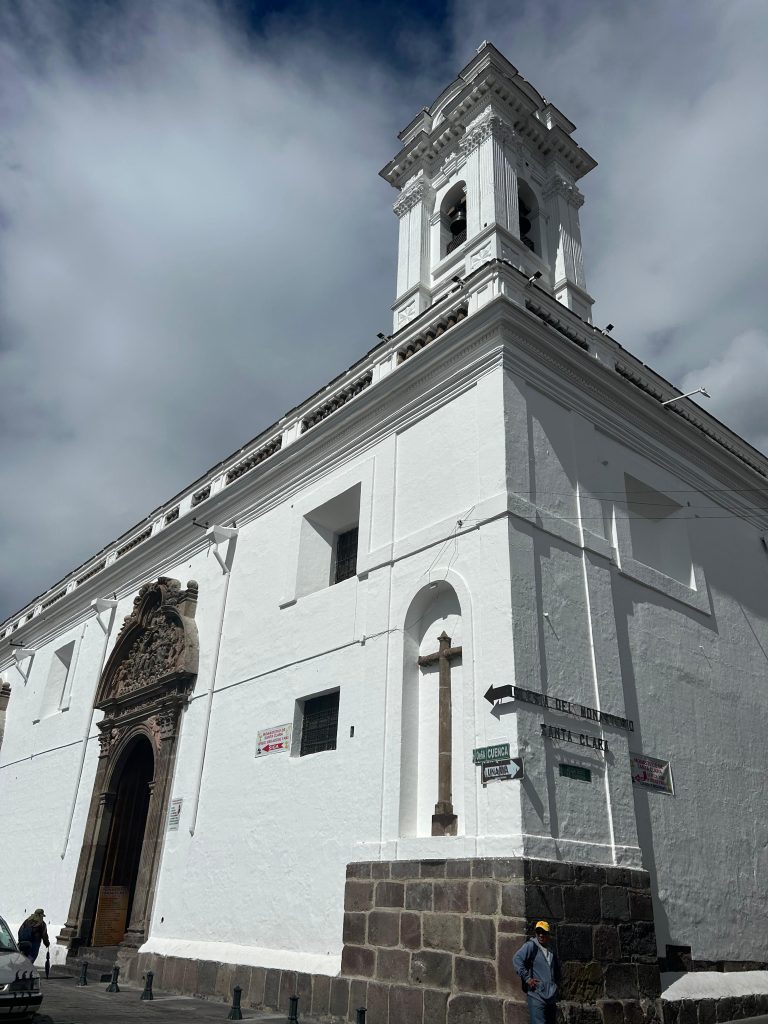
15. Monasterio Santa Clara
Located on the southern edge of the old town, Santa Clara, one of Quito’s oldest female monasteriesdates back to the 16th century. The nuns historically baked breads and pastries for the city — the smell of baked goods still marks the monastery’s presence and links the spiritual to the everyday. The convent’s art collection is an important testimony to female patronage and devotional life in Quito.
Visit tip: If pastries are available, buy one — you’re helping sustain a centuries-old community.
Tips for Visiting Quito’s Churches and Monasteries
Dress modestly; these are active places of worship.
Visit early in the morning or late afternoon for the best light and fewer crowds.
Support local convents by buying their handmade sweets; it helps preserve centuries-old traditions.
Many sites close during midday hours, so plan your route accordingly.
Respect photography rules; some interiors do not allow photos.
Final Thoughts from a Quiteño
When I asked Michael what these churches meant to him, he paused for a moment and smiled.
“Exploring these churches to me is more than a place to visit — it’s like revisiting pieces of my own story. Growing up in Quito, these places were part of everyday life: the echo of bells on Sunday mornings, the scent of incense drifting from open doors, the quiet corners where time seemed to pause. Every stone and cloister carries memories — not just of faith and art, but of a city that has learned to rebuild itself after every quake, every challenge.”
So take your time. Walk slowly. Look up at the towers that have watched generations come and go. Listen for the bells — they’ve been ringing long before us, and if you stop for a moment, you might feel the heartbeat of Quito itself still pulsing between their echoes. If you’re drawn to architecture, history, and stories carved in stone, join our Quito Old Town & Churches Experience — a day designed for those who love to explore beauty through detail, craftsmanship, and time itself.


 BR
BR  EN
EN  ES
ES