
Updated: November 2026 – Estimated reading time: 5 minutes – Written by Michael and Alex
The question comes in every week. Sometimes it’s from someone who saw a headline. Sometimes it’s from someone who already has flights booked and wants to know if they should still go. The honest answer, in November 2026, is: it depends entirely on where in Ecuador you’re going.
Ecuador, like any other country, has areas that are best avoided. Certain regions, where organized crime operates, aren’t recommended.
The US State Department rates Ecuador at Level 2: Exercise Increased Caution as of August 18, 2026. Level 2 is not a warning against travel. It is a note to be aware of your surroundings and to know which specific areas carry higher risk.
Within that Level 2, the State Department has designated certain specific areas in the coastal region and others at Level 4: Do Not Travel: the highest warning level. As of August 2026, Level 4 zones and places we recommend not visiting are:
What is not on that list: Quito and the surrounding sites such as Mindo, Papallacta, e Cayambe. The Andes circuit. The Amazon lodges. The Galápagos Islands. The routes that make up most Ecuador itineraries have no specific advisory against travel from the US, UK or Canadian governments.
The UK’s Foreign, Commonwealth and Development Office gives Ecuador broadly the same level: increased caution nationwide, with specific warnings for the northern coast near the Colombian border and parts of Guayaquil.
Quito, Cuenca, the Andean highlands and the Galápagos are not under any specific FCDO warning.
This is what many travelers are searching for right now, and it deserves a straight answer. The floods and landslides you’ve seen in the news are real. They are caused by El Niño (2026–27), which Ecuador’s national weather committee (ERFEN) has flagged as potentially reaching extraordinary intensity, comparable to the 1982–83 and 1997–98 events. Since the national red alert was declared in August, the rains have affected over 58,000 people.
So is it safe to come? The honest answer is the same as the security question: it depends entirely on where you’re going and how your itinerary is built. The standard tourist circuit is operating. The parts of Ecuador that are genuinely difficult to visit right now (coastal roads through Los Ríos and Guayas) are the same areas that have always required more care. A trip to Quito, the highlands, the Amazon and the Galápagos can be run well this season with the right adjustments.
We’ve written a full region-by-region breakdown covering El Niño: what has changed, what it means for your specific activities, what to ask your tour operator, and the insurance question you need to ask before you buy. Read the full El Niño travel article.
A ideia de que todo o país é globalmente inseguro não poderia estar mais longe da verdade. The reality is that most of Ecuadors touristic areas permanece acolhedor e seguro, especially for travelers. By steering clear of high-risk zones and engaging with local communities, travelers can experience Ecuador’s rich culture.
Ecuador’s violence is geographically concentrated. The coastal provinces (Guayas, Manabí, Esmeraldas, Los Ríos, El Oro) carry the overwhelming share of serious crime. These are also largely not on the standard traveler’s itinerary. The places most visitors actually go are:
Quito: The historic center, La Mariscal, La Floresta, and Cumbayá are the main traveler areas, all operating normally. Standard urban precautions apply: use Uber rather than hailing cabs, don’t display expensive ítems, avoid deserted streets after dark. Following those basics, most visitors move around Quito without problems.
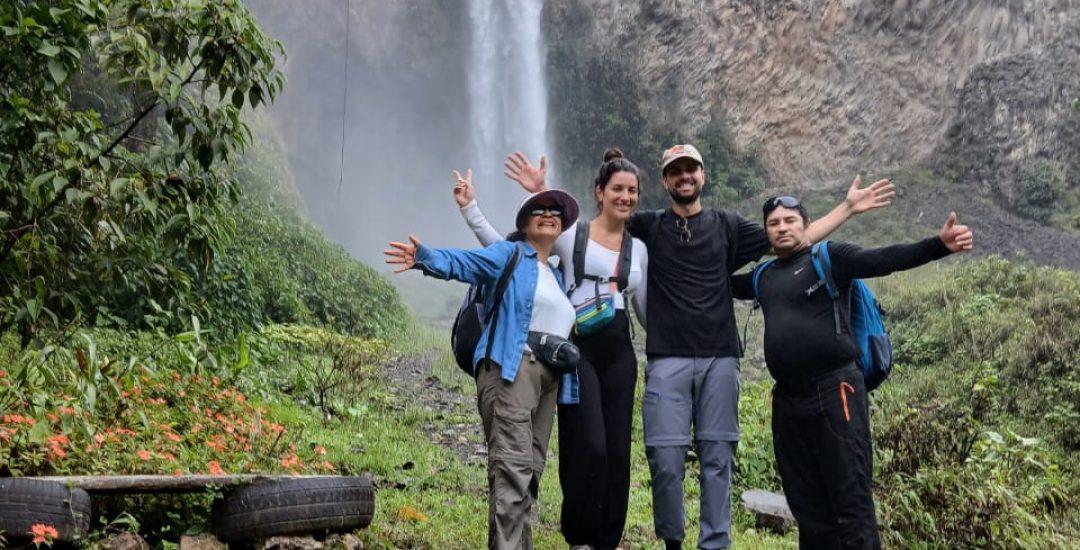
The Andes circuit: Mindo, Otavalo, Cotopaxi, Quilotoa, Baños, Cuenca, all operating normally. These are highland towns with strong community bonds and minimal organized crime presence.
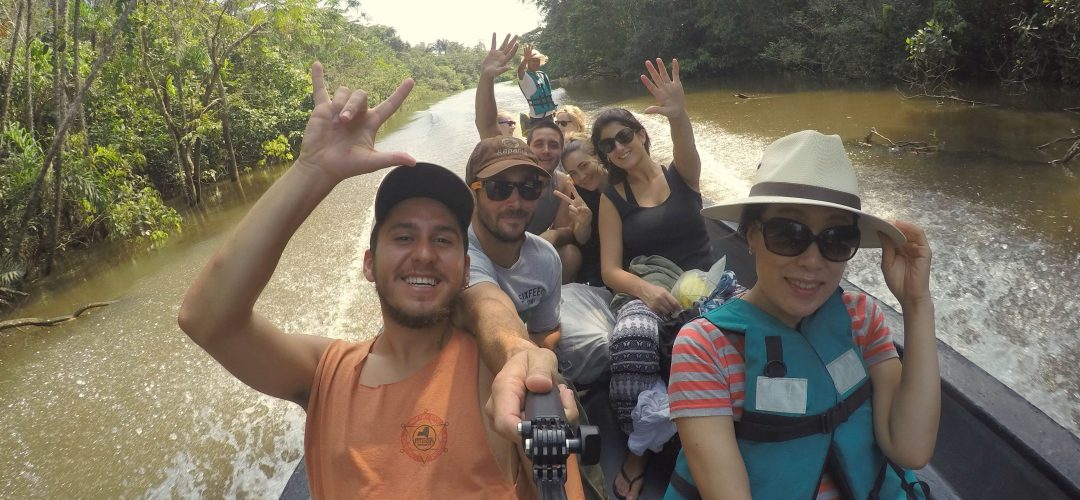
The Amazon lodges: Cuyabeno Reserve and the Yasuni National Park are remote protected areas operating under national park and community concession frameworks. The main safety consideration here is logistics (road conditions, river levels) rather than crime. Tena and Puyo are also operating normally.
The Galápagos Islands: Located 1,000 kilometres off the mainland, the Galápagos operates in a different security environment entirely. Entry is controlled through the Transit Control Card system; everyone on the islands is registered, and there is no reported operational presence of organized crime. No government currently has a specific advisory against travel to the Galápagos. The safety concerns here are environmental (following national park rules, keeping distance from wildlife, heavy rains due to El Niño), not the security concerns that affect the mainland.
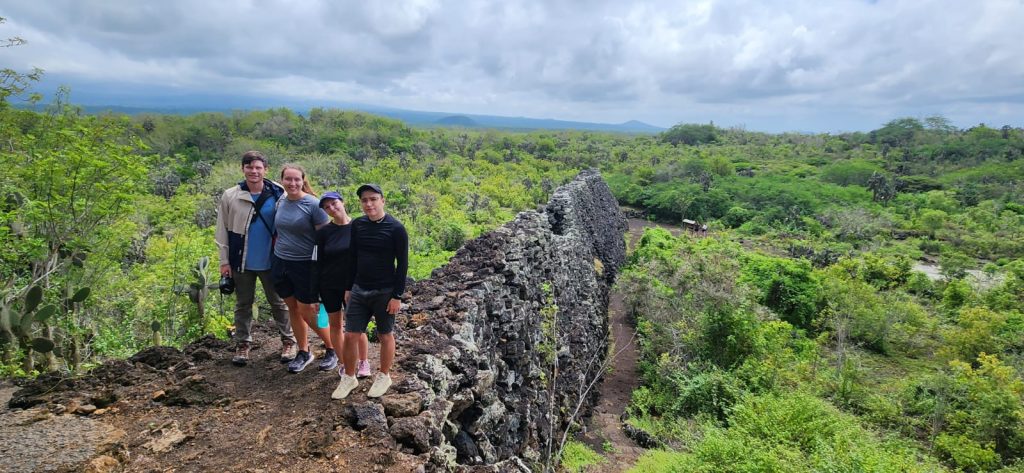
As Ilhas Galápagos, localizadas a cerca de 1.000 quilômetros do continente do Equador, remote paradise, far removed das multidões agitadas de áreas urbanas. Ao contrário do Equador continental, o arquipélago santuário livres das preocupações do crime organizado e da agitação civil.
Para aqueles que sonham em explorar as icónicas Ilhas Encantadas, tenha a certeza de que Património Mundial da UNESCO O site possui não só beleza natural incomparável, mas também uma taxa de criminalidade excepcionalmente baixa devido a pontos de saída limitados e requisitos de entrada rigorosos. De fato, o Conselho de Administração de Galápagos requisitos de entrada atualizados recentemente implementados priorizar a segurança e o bem-estar de ambos visitantes e habitantes Assim, cada pessoa que entrar nas ilhas terá agora de justificar com documentação verificada.
Você também pode gostar: How to Enter the Galápagos Islands and What to Expect.
What the Galápagos does have in 2026–27 is an El Niño weather event affecting the rainy season. That is a different category of consideration entirely: weather, not security. If you want to understand what El Niño means for a Galápagos trip this season, read the full breakdown in our article: El Nino.
This is worth saying plainly: in areas where tourism provides a stable income, the economic incentive for illegal activity decreases. Guides, hotel owners, and community leaders can testify to this.
In the communities Takiri works with, and in the Galápagos towns where our coordinators are based, tourism provides employment, infrastructure investment, and a reason to protect the environment that generates it. When travelers don’t come (whether because of security headlines that don’t apply to their destination, or for any other reason), the people who lose most directly are the ones who have invested in offering the experience.
This doesn’t mean ignoring real risks. It means applying the actual risk map rather than the newspaper map.
Equador, com suas paisagens deslumbrantes, cultura vibrante e comunidades acolhedoras, remains a worthwhile destination for travelers. As Ilhas Galápagos, em particular, oferecem um paraíso de serenidade e aventura. Ao seguir algumas medidas básicas de segurança, você será capaz de mergulhar completamente em toda a magia que esses lugares oferecem.
So pack your bags, trust the journey, and get ready to create unforgettable memories. Whether you’re trekking through the Amazon rainforet, hiking in the Andes volcanoes, or snorkeling in the Galapagos, a aventura de uma vida espera.

